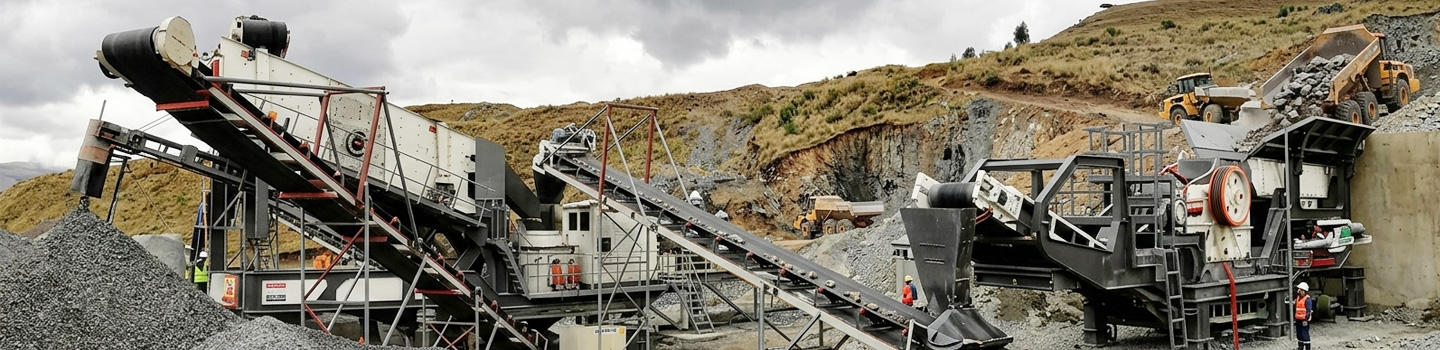
Investing in a river stone processing plant is an attractive opportunity for businesses supplying construction aggregates, manufactured sand, and infrastructure materials. River stones are widely used in concrete production, road construction, landscaping, and building projects. However, the price of a river stone plant can vary significantly depending on production capacity, raw material characteristics, equipment configuration, and installation requirements.
A complete river stone processing plant typically includes crushing, screening, sand washing, and material handling systems. Understanding the costs associated with each stage helps investors develop realistic budgets, evaluate project feasibility, and maximize long-term returns.
Main Equipment and Their Costs
The overall investment in a river stone processing plant is determined by its production process and equipment selection.
Crushing System
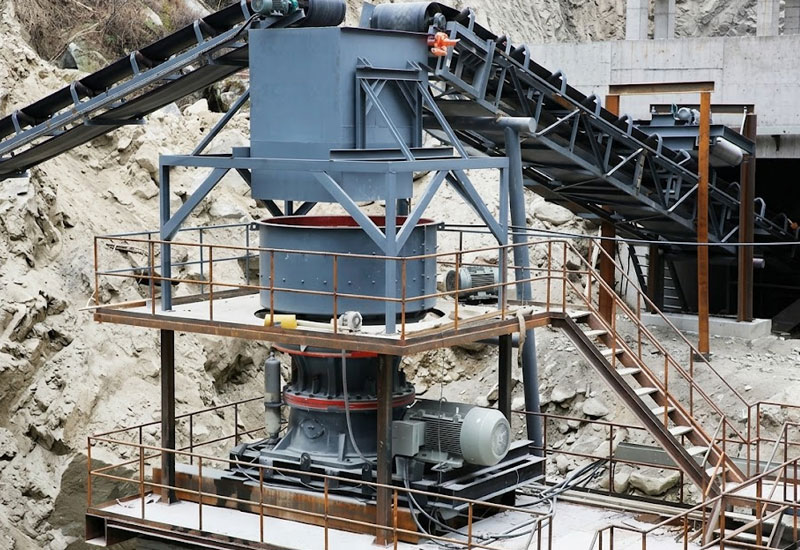
Crushing is the first major processing stage. River stones are naturally hard and abrasive, so equipment must provide reliable performance and wear resistance.
Common equipment includes jaw crushers for primary crushing and cone crushers or impact crushers for secondary and tertiary crushing. Cone crushers are generally preferred for hard river stones because of their durability, efficient crushing performance, and relatively low wear costs.
The crushing system price depends on equipment capacity, motor power, crushing stages, and required final particle size. A simple crushing configuration may reduce initial investment, while a multi-stage system offers greater control over product shape and gradation.
Screening System
Vibrating screens separate crushed materials into different particle sizes. Typical finished products include 0–5 mm manufactured sand, 5–10 mm, 10–20 mm, and 20–31.5 mm aggregates.
The number of screening layers, screen dimensions, processing capacity, and required grading accuracy all influence equipment costs. Multiple screening stages may be necessary when customers require several finished aggregate specifications.
Sand Washing System
If the project produces manufactured sand, a sand washing system may be required to remove excess soil, clay, dust, and other impurities.
Common options include wheel sand washers, spiral sand washers, and fine sand recovery systems. The choice depends on raw material cleanliness, water availability, sand quality requirements, and environmental regulations.
Although washing equipment increases the initial investment, it can improve finished sand quality and market value. Water recycling systems can also reduce operating expenses and environmental impact.
Material Handling System
Conveyors, feeders, transfer hoppers, and storage bins connect the different processing stages. Their design directly affects plant efficiency and operational stability.
The total material handling cost depends on conveyor length, belt width, elevation changes, transfer points, and site layout. Properly designed conveying systems minimize material spillage, reduce labor requirements, and maintain continuous production.
Five Key Factors Affecting Project Pricing
Several important variables determine the final price of a river stone processing plant.
1. Plant Capacity (TPH)
Production capacity is one of the biggest cost drivers. Small plants processing 50–100 tons per hour generally require less equipment and infrastructure than medium or large plants processing 150–300 TPH or more.
Higher-capacity plants require larger crushers, screens, conveyors, motors, and supporting structures. However, they may achieve lower processing costs per ton through economies of scale.
2. Raw Material Moisture and Cleanliness
The condition of incoming river stones directly affects equipment selection. Materials containing excessive clay, soil, or organic impurities may require additional washing and screening equipment.
High moisture content can also cause material blockages, screen clogging, and reduced processing efficiency. Therefore, raw material testing is essential before finalizing the plant configuration.
3. Equipment Configuration
A basic crushing and screening plant costs less than a complete production line incorporating multiple crushing stages, sand washing, fine sand recovery, and water recycling.
The selected equipment brands, wear-resistant components, spare parts availability, and equipment specifications also influence the investment.
4. Automation Level
Manual and semi-automatic plants generally require lower initial investment but involve more labor and operational supervision.
Fully automated plants use centralized control systems, sensors, and monitoring equipment to improve production stability, reduce human error, and optimize energy consumption. Although automation increases upfront costs, it may provide better long-term operating efficiency.
5. Civil Construction and Installation Costs
Land preparation, foundations, steel structures, drainage, electrical systems, and installation labor must be included in the project budget.
These costs vary according to local labor rates, transportation conditions, soil characteristics, construction standards, and site accessibility. Remote locations may also require additional logistics expenses.
How to Evaluate Project Feasibility and ROI
Before purchasing equipment, investors should conduct a comprehensive feasibility study.
First, assess local demand for construction aggregates and manufactured sand. Identify potential customers, competing suppliers, selling prices, and expected annual sales volumes.
Second, evaluate the availability and quality of river stone resources. Consistent raw material supply is essential for maintaining production and meeting customer specifications.
Third, calculate the total investment, including equipment purchases, transportation, installation, civil works, electrical infrastructure, and initial working capital.
Important financial indicators include:
- Annual revenue: Finished product sales volume multiplied by average selling price.
- Operating costs: Electricity, labor, water, maintenance, spare parts, and raw material expenses.
- Gross operating profit: Revenue minus relevant operating expenses.
- ROI: Annual net profit divided by total initial investment.
- Payback period: Initial investment divided by annual net cash flow.
Investors should also conduct sensitivity analysis to understand how changes in aggregate prices, electricity costs, production utilization, and raw material availability affect profitability.
Customized Turnkey Solutions and Quotations
There is no universal price for a river stone processing plant. Each project requires an equipment configuration based on its production objectives, material characteristics, site conditions, and investment budget.
A professional turnkey quotation should clearly identify the processing capacity, equipment list, technical specifications, expected output gradations, power requirements, water consumption, installation scope, and estimated delivery schedule.
For an accurate quotation, clients should provide the following information:
- Required production capacity, such as 100, 150, or 200 TPH.
- Raw material size, hardness, moisture content, and cleanliness.
- Desired finished aggregate and manufactured sand specifications.
- Available land area and local installation conditions.
- Preferred automation level and investment budget.
Based on these details, suppliers can recommend suitable crushing, screening, washing, and conveying configurations.
A customized turnkey solution helps avoid unnecessary equipment investment while ensuring that the finished products meet local market requirements.