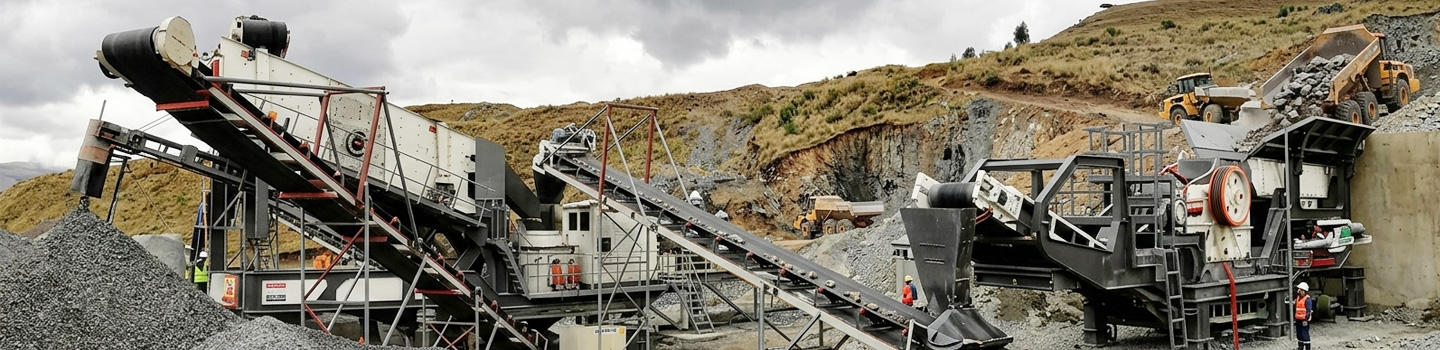
Australia’s construction, demolition and infrastructure industries are increasingly embracing mobile concrete crushing technology to improve material recovery, reduce transportation costs and support sustainable construction practices. For contractors, demolition specialists and quarry operators searching for a mobile concrete crusher for sale in Australia, track-mounted mobile crushing plants offer an efficient and versatile solution for processing concrete waste directly at the job site.
Designed for rapid deployment, high mobility and demanding operating conditions, modern mobile impact crushers and jaw crushers allow operators to transform demolished concrete into reusable recycled aggregates without relying on permanent crushing facilities.
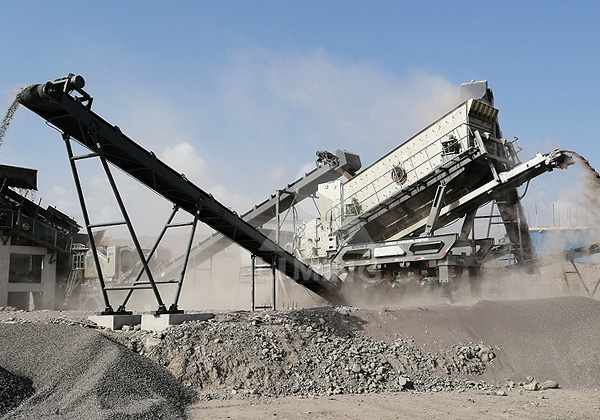
Track-Mounted Mobile Concrete Crushers for Australian Job Sites
Track-mounted mobile crushing plants are particularly valuable across Australia’s diverse operating environments, from congested metropolitan demolition projects to remote mining, civil construction and infrastructure developments.
Unlike stationary crushing equipment, track-mounted machines can move independently around a job site, reducing the need for extensive equipment relocation and fixed foundations. Their compact transport configurations, hydraulic folding conveyors and integrated power systems support faster commissioning and operational flexibility.
Two primary crusher configurations are commonly considered:
Mobile Jaw Crushers
Mobile jaw crushers are designed for primary crushing applications, processing large concrete slabs, reinforced concrete and demolition rubble into smaller, manageable material. Their robust crushing chambers and heavy-duty components make them suitable for demanding applications involving irregular feed materials.
For Australian demolition contractors, jaw crushers provide a practical solution for reducing bulky concrete waste before secondary processing. Integrated magnetic separators can also remove reinforcing steel, improving the quality of recovered aggregate.
Mobile Impact Crushers
Mobile impact crushers are particularly effective for secondary crushing and concrete recycling applications requiring consistent particle sizing and a more cubical aggregate shape.
Their high-speed impact mechanisms break concrete into reusable materials suitable for road base, construction fill and other civil engineering applications. Adjustable crushing settings allow operators to produce different aggregate specifications depending on project requirements.
Both configurations can incorporate screening systems, conveyors and magnetic separators to create integrated mobile recycling operations.
Rapid Setup and Mobility Across Regional Australia
Australia’s geographical challenges make equipment mobility a significant purchasing consideration. Contractors operating across Queensland, Western Australia, New South Wales and regional South Australia frequently need machinery capable of moving between projects without lengthy installation procedures.
Track-mounted crushing plants address this requirement through self-propelled undercarriages, hydraulic positioning systems and streamlined commissioning procedures.
Quick-deployment features can include:
- Hydraulic folding and unfolding conveyors.
- Integrated diesel-electric or diesel-hydraulic power systems.
- Remote-control operation for improved positioning.
- Accessible maintenance platforms and service points.
- Rapid connection of screening and material-handling equipment.
These features help contractors establish crushing operations efficiently, particularly on remote projects where access to specialised installation personnel and infrastructure may be limited.
Australian Machinery Safety and AS/NZS Compliance
Purchasing a mobile concrete crusher for Australian operations requires careful consideration of machinery safety and applicable regulatory obligations.
Equipment should be assessed against relevant Australian and New Zealand Standards, including the AS 4024 series covering machine safety. Important considerations include adequately guarded moving components, accessible emergency-stop systems, safe maintenance access, isolation procedures and clearly identified operating controls.
Buyers should request technical documentation, risk assessments, operating manuals and evidence of applicable conformity requirements from manufacturers or suppliers.
Importantly, compliance should not be assumed simply because a machine is advertised as suitable for Australian markets. The purchaser and equipment supplier should establish which standards and workplace safety obligations apply to the specific machine and operating environment.
Heavy-Duty Cooling for Harsh Australian Conditions
Australian operating temperatures can place substantial demands on mobile crushing equipment, particularly in Western Australian mining regions, inland Queensland and remote construction locations.
A suitable mobile crusher should incorporate a heavy-duty cooling package engineered for elevated ambient temperatures and extended operating hours.
Key specifications include oversized radiators, high-capacity cooling fans, efficient hydraulic oil coolers and appropriately protected engine compartments. Dust-resistant cooling arrangements and accessible radiator cleaning systems are equally important when operating in dry, abrasive environments.
These features help maintain stable engine and hydraulic temperatures, reduce overheating risks and support reliable production during demanding summer conditions.
Dust Suppression for Urban Demolition and Recycling
Dust management is another essential consideration, particularly when crushing concrete near residential developments, commercial buildings and occupied urban environments.
Concrete processing can generate respirable crystalline silica, creating serious occupational health risks. Australian workplace guidance recommends engineering controls such as water sprays or misting systems at material feed points, crushing chambers, screens and conveyor discharge locations.
Mobile crushers should therefore be equipped with strategically positioned dust suppression nozzles, adjustable water delivery systems and effective operator isolation arrangements.
Enclosed, positively pressurised operator cabins with suitable filtration and air conditioning can further reduce exposure. Remote-control operation may also provide additional separation between personnel and dust-generating activities.
Operators must develop site-specific dust management procedures consistent with applicable state and territory workplace health and safety requirements.
Transportability and NHVR Requirements
Transport logistics can significantly influence the overall cost of purchasing and operating mobile crushing equipment in Australia.
Before purchasing, contractors should evaluate machine operating weight, transport dimensions, track configuration and loading requirements.
Equipment transported beyond prescribed heavy vehicle mass or dimension limits may require an Oversize Overmass (OSOM) permit, an applicable notice exemption or other authorised road access arrangements.
The National Heavy Vehicle Regulator (NHVR) provides guidance on route assessments, permit applications and applicable operating conditions. Requirements can vary between jurisdictions, particularly in Western Australia and the Northern Territory.
Selecting a crusher with transport-friendly dimensions and practical loading arrangements can simplify mobilisation and reduce unnecessary transport expenses.
Choosing the Right Mobile Concrete Crusher for Sale in Australia
Investing in a track-mounted mobile concrete crusher involves more than comparing purchase prices and advertised production capacities.
Australian contractors should evaluate crushing performance, fuel consumption, cooling specifications, dust suppression equipment, safety documentation, transport requirements and local spare-parts availability.
A well-engineered mobile jaw or impact crushing plant delivers the flexibility to process concrete waste directly where it is generated, helping reduce landfill disposal, transportation costs and demand for virgin aggregates.
Ultimately, selecting equipment specifically configured for Australian conditions allows contractors to improve productivity, strengthen environmental performance and maintain reliable crushing operations across both remote and urban projects.