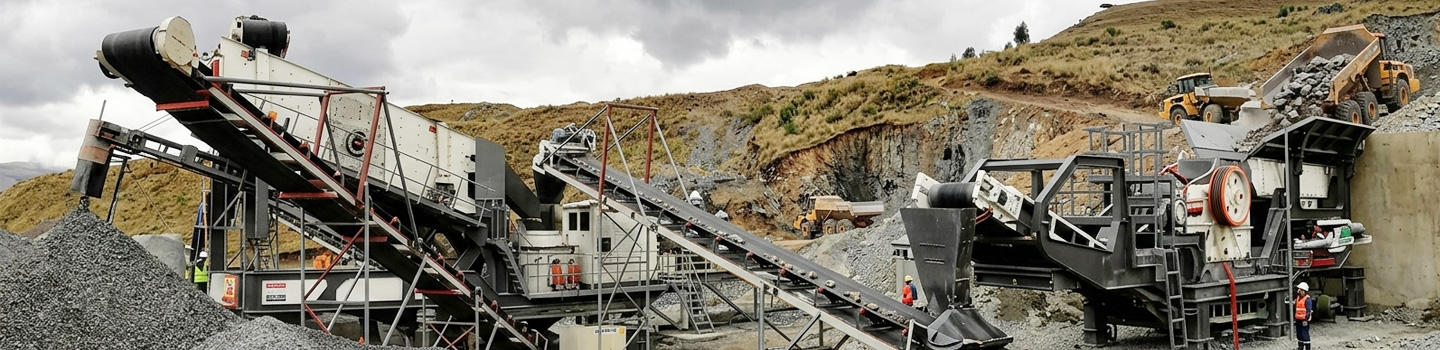
The price of a complete rock crushing plant depends on production capacity, rock characteristics, equipment configuration, automation level, and installation requirements. A small 50 TPH (tonnes per hour) plant requires a significantly lower investment than a 500 TPH industrial crushing facility.
Buyers should distinguish between equipment-only prices and total project investment. A complete plant budget may include crushers, vibrating screens, feeders, conveyors, electrical systems, foundations, transportation, installation, and commissioning.
For preliminary planning in 2026, the following indicative price ranges provide a useful starting point. All figures are in USD and should be treated as budget estimates rather than supplier quotations.
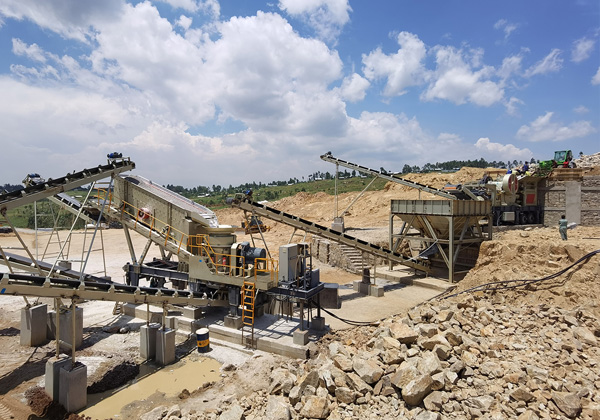
Rock Crushing Plant Prices by Configuration and Capacity
Three main plant configurations are available: stationary, modular, and mobile. Each offers different advantages and investment requirements.
Stationary Crushing Plants
Stationary plants are designed for long-term quarrying and continuous production. They generally provide the lowest equipment cost per tonne at larger capacities but require permanent foundations and substantial site preparation.
| Capacity | Indicative project budget |
|---|---|
| 50–100 TPH | $150,000–$450,000 |
| 100–200 TPH | $300,000–$750,000 |
| 200–500 TPH | $600,000–$1,800,000 |
| 500–1,000+ TPH | $1,500,000–$5,000,000+ |
These estimates reflect varying equipment specifications and installation scopes. Basic equipment packages can cost considerably less, while premium turnkey installations increase total investment.
Modular Crushing Plants
Modular plants use pre-engineered equipment assemblies that can be transported and installed in sections. They offer a balance between stationary production capacity and installation flexibility.
Typical budgetary allowances are:
- 50–100 TPH: $180,000–$500,000
- 100–200 TPH: $350,000–$850,000
- 200–500 TPH: $700,000–$2,000,000
- 500+ TPH: $1,800,000–$5,500,000+
Modular systems can reduce construction time and simplify future expansion. Although their prefabricated structures may increase initial equipment costs, reduced civil engineering requirements can offset part of the premium.
Mobile Crushing Plants
Mobile crushing plants are mounted on tracked or wheeled chassis, allowing operators to relocate equipment between working areas. They are particularly suitable for temporary quarry operations, construction projects, and multiple-site applications.
Indicative budgets include:
- 50–100 TPH: $150,000–$350,000
- 100–200 TPH: $350,000–$900,000
- 200–500 TPH: $800,000–$2,500,000
- 500+ TPH: $2,000,000–$5,000,000+
Mobile equipment generally carries a higher purchase price per unit of capacity because of integrated chassis, hydraulic systems, onboard power arrangements, and transport engineering. However, it can reduce foundation costs and material handling distances.
Key Capital Cost Components
Understanding the individual equipment and infrastructure costs helps buyers prepare realistic investment budgets.
Primary, Secondary, and Tertiary Crushers
Crusher selection is one of the largest determinants of total plant cost.
- Primary jaw crushers: Approximately $35,000–$220,000, depending on capacity and model.
- Secondary cone or impact crushers: Approximately $50,000–$400,000.
- Tertiary VSI crushers: Approximately $45,000–$250,000.
Jaw crushers are commonly used for initial reduction, while cone crushers handle hard and abrasive materials. Impact crushers are suitable for softer rocks, and VSI crushers improve particle shape and manufacture artificial sand.
A three-stage crushing configuration generally costs more than a two-stage arrangement because it requires additional machinery, power, and screening capacity.
Auxiliary Equipment
Supporting equipment is essential for maintaining consistent production.
Typical budget allowances include:
| Equipment | Estimated Cost |
|---|---|
| Vibrating screens | $15,000–$120,000 |
| Belt conveyors | $20,000–$180,000 |
| Vibrating feeders | $10,000–$50,000 |
| Hoppers and transfer chutes | $15,000–$80,000 |
| Dust suppression systems | $20,000–$120,000 |
The number of screens, conveyor lengths, screening accuracy, and material handling requirements significantly influence these costs.
Civil Engineering and Foundations
Stationary crushing plants require reinforced concrete foundations, equipment supports, access roads, drainage, and sometimes retaining structures.
Civil engineering can represent approximately 10%–25% of the total project budget, depending on ground conditions, plant size, and construction requirements. Modular and mobile configurations may reduce these expenses.
Electrical and Control Systems
Electrical infrastructure includes motors, transformers, distribution panels, cabling, safety systems, and centralized controls.
Basic electrical installations may cost $30,000–$80,000, while advanced PLC and automated control packages can require $35,000–$120,000 or more.
Automation improves production monitoring, operational safety, and equipment coordination.
Delivery, Installation, and Commissioning
Transportation, insurance, customs duties, equipment erection, alignment, testing, and operator training must also be included.
A preliminary allowance of 8%–15% of equipment value is reasonable for installation and commissioning, although complex projects may require more. International freight and import taxes should be calculated separately.
Preparing a Realistic Crushing Plant Budget
A practical capital expenditure framework should allocate funding across the following categories:
- Main crushing and screening equipment: 55%–65%.
- Civil works and structural foundations: 10%–20%.
- Electrical systems and automation: 5%–10%.
- Transportation and logistics: 3%–8%.
- Installation and commissioning: 8%–15%.
These percentages are indicative and should be adjusted to match the selected configuration. Mobile plants typically allocate more funding to integrated equipment and less to foundations.
Conclusion
Rock crushing plant prices vary considerably according to capacity, configuration, rock hardness, product specifications, and project location. Stationary plants are attractive for long-term production, modular systems provide installation flexibility, and mobile plants offer operational mobility.
Before purchasing, buyers should request itemized quotations covering every crusher, auxiliary machine, electrical component, civil engineering requirement, delivery expense, and commissioning service. Comparing complete project costs rather than individual machine prices helps prevent unexpected expenses and supports better long-term investment decisions.