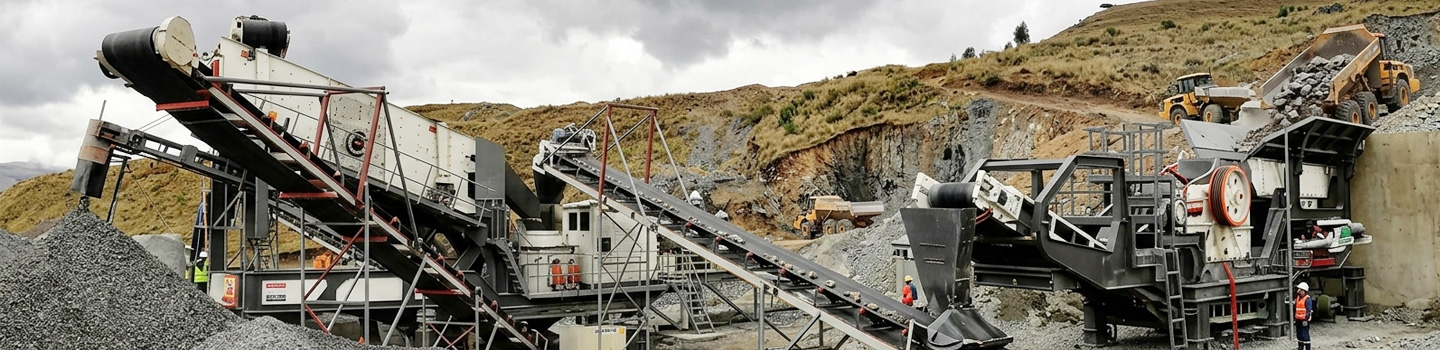
Investing in a rock crushing plant can be highly lucrative, especially given the booming demand for construction materials like gravel, sand, and aggregates. However, the industry requires careful planning and strategic decision-making to maximize returns. This article outlines essential advice for investors looking to enter the rock crushing business.
1. Understand the Market Demand
Before investing, conduct thorough market research:
-
Local Construction Needs: Identify regions with rapid urban development, highway projects, or infrastructure expansion, as these areas have high demand for crushed stone and aggregates.
-
Competition Analysis: Assess existing crushing plants in your target area. Understand their capacity, pricing, and product quality to find gaps or niche opportunities.
-
Product Diversification: Consider producing multiple grades of aggregates, sand, and gravel to meet varied customer requirements.
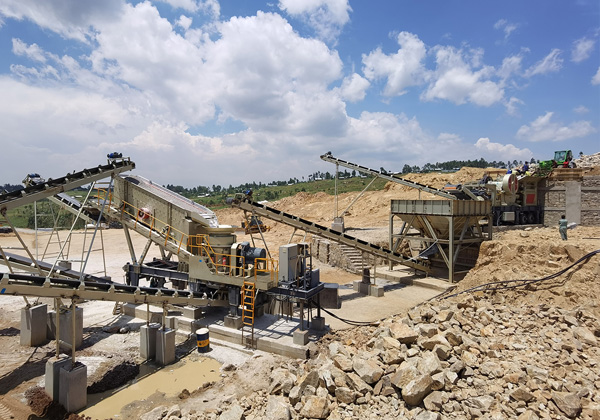
2. Choose the Right Type of Crushing Plant
Rock crushing plants come in different configurations. Selecting the right one depends on the raw material and intended output:
-
Stationary Crushing Plants: Best for large-scale operations with consistent supply of raw materials. Ideal for quarry-based businesses.
-
Mobile Crushing Plants: Flexible and transportable, suitable for projects where raw materials are scattered or temporary construction sites.
-
Semi-Mobile Plants: Offer a balance between capacity and mobility, often used in medium-scale mining or aggregate operations.
3. Evaluate Raw Materials
The type and quality of rock you plan to crush affect plant design, equipment choice, and profitability:
-
Hard Rock: Requires heavy-duty jaw crushers or cone crushers.
-
Soft Rock or Limestone: Can be processed with impact crushers or vertical shaft impact (VSI) machines.
-
Material Availability: Ensure long-term access to rock deposits to sustain operations and avoid costly downtime.
4. Optimize Equipment Investment
Equipment costs represent a major portion of the initial investment. Consider:
-
Jaw Crushers: Effective for primary crushing of large rocks.
-
Cone Crushers: Efficient for secondary or tertiary crushing to achieve uniform particle size.
-
Impact Crushers: Suitable for softer rocks and shaping finished aggregates.
-
Vibrating Screens and Feeders: Essential for sorting materials and controlling production quality.
Investing in modern, energy-efficient machinery can reduce operating costs and increase output.
5. Plan for Operational Costs
Running a crushing plant involves several ongoing expenses:
-
Labor costs for operators, technicians, and administrative staff.
-
Electricity or fuel costs, which can be significant for high-capacity plants.
-
Maintenance costs for crushers, conveyors, and screens.
-
Transportation costs for raw materials and finished products.
Develop a detailed budget to ensure the plant remains profitable even during market fluctuations.
6. Regulatory Compliance and Environmental Considerations
Investors must comply with local mining, safety, and environmental regulations:
-
Obtain necessary permits for mining and crushing operations.
-
Implement dust suppression and noise reduction measures to minimize environmental impact.
-
Ensure proper waste management and recycling of by-products.
Compliance not only avoids fines but also enhances the plant’s reputation and sustainability.
7. Strategic Location Selection
Location is critical for minimizing costs and maximizing profit:
-
Proximity to raw material sources reduces transportation costs.
-
Accessibility to construction sites or urban centers ensures quicker delivery and better customer service.
-
Availability of utilities and workforce supports smooth operations.
8. Financial Planning and ROI
A rock crushing plant requires significant capital. Investors should:
-
Conduct a cost-benefit analysis, including initial investment, operating costs, and expected revenue.
-
Factor in potential downtime, market price fluctuations, and seasonal demand.
-
Explore financing options or joint ventures to reduce financial risk.
Typically, a well-planned plant can start generating returns within 2–4 years, depending on capacity and market conditions.
Investing in a rock crushing plant can yield substantial profits if approached strategically. By understanding market demand, selecting suitable equipment, planning operational costs, and ensuring compliance with regulations, investors can build a sustainable and profitable crushing business. Careful planning today ensures consistent revenue tomorrow in the ever-growing construction and mining industry.