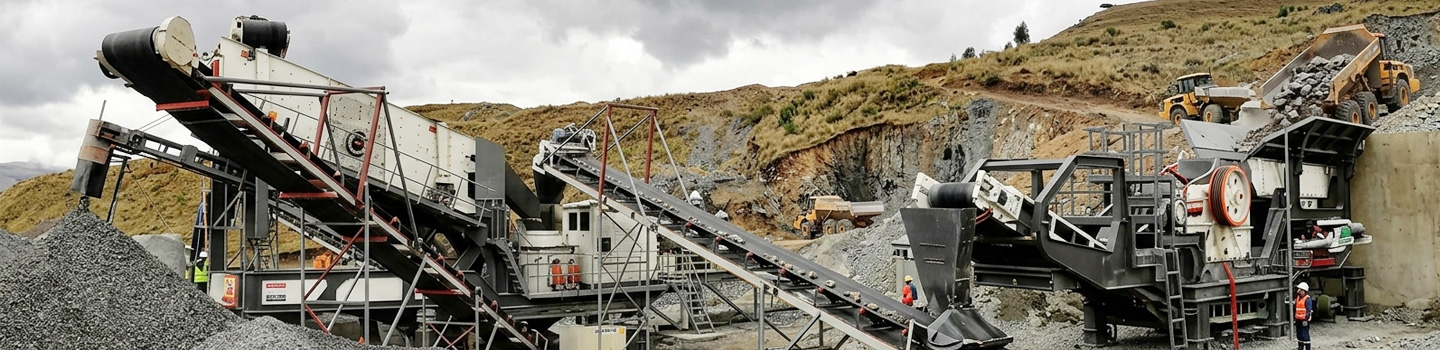
Investing in a rock crushing plant is one of the most strategic decisions for companies engaged in mining, quarrying, infrastructure construction, or aggregate production. As global demand for sand, gravel, and crushed stone continues to rise, a well-planned crushing plant can deliver high profitability, stable output, and long-term growth. However, the investment is capital-intensive and requires careful evaluation.
Understand Your Raw Materials and End-Product Requirements
1. Type of Raw Material
Different rocks require different crushing solutions:
-
Hard rocks (granite, basalt, andesite) → Jaw crusher + cone crusher
-
Medium-hard rocks (limestone, gypsum, dolomite) → Jaw crusher + impact crusher
-
Soft to medium aggregates → Horizontal impact crushers or VSI sand makers
-
High-abrasion ores (iron ore, chrome, copper) → Heavy-duty jaw and cone crushers
Knowing rock hardness and abrasiveness will determine the plant’s design, energy consumption, and wear costs.
2. Final Product Specifications
Different projects require different output sizes:
-
0–5 mm: Sand making
-
5–20 mm & 20–40 mm: Road base, concrete aggregate
-
Oversize (> 40 mm): Railway ballast or secondary crushing
Define your product mix early to choose the correct crusher types, screening systems, and layout.
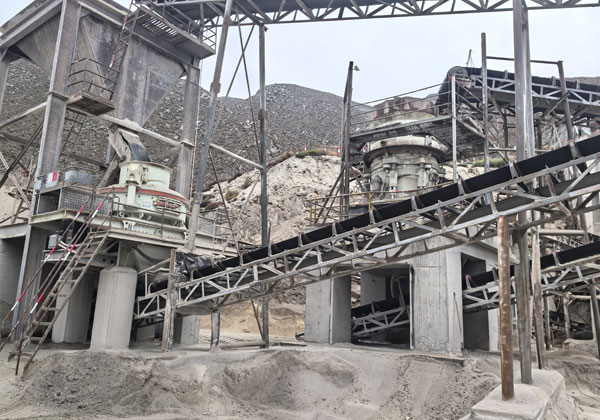
Choose the Right Equipment Combination
Choosing the right configuration maximizes efficiency and reduces maintenance costs.
Standard Rock Crushing Layout
-
Primary crusher – Jaw crusher
For initial reduction of big stones. -
Secondary crusher – Cone or impact crusher
Cone → best for hard rock
Impact → best for shaping and softer materials -
Tertiary crusher – Cone or VSI crusher
Needed for small, uniform aggregate or sand production. -
Screening system – Vibrating screens
To classify materials into different sizes. -
Conveying system
Ensures smooth material flow between stages. -
Environment & safety equipment
Dust collectors, spray systems, noise reduction.
Evaluate Supplier Reputation and After-Sales Support
A reliable supplier should provide:
-
Detailed plant design
-
Installation and commissioning
-
Operator training
-
Fast wear-parts supply
-
Long-term technical support
-
Warranty protection
Poor after-sales service can cost more than the equipment itself.
Investing in a rock crushing plant can be highly profitable when done strategically. The key is thorough planning—understanding raw materials, choosing the right equipment, calculating costs, and selecting reputable suppliers. As construction demand grows worldwide, high-quality aggregates will remain essential, making crushing plants a reliable long-term investment.