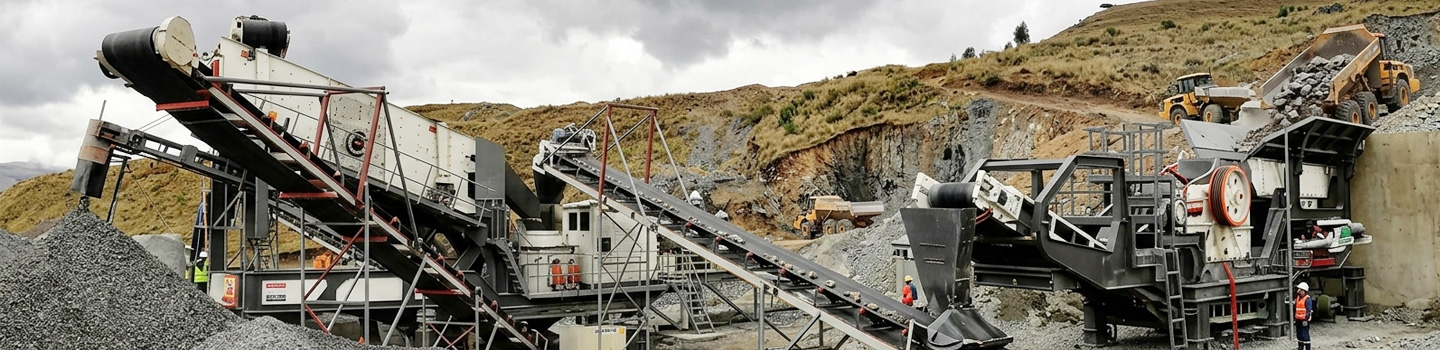
Installing an aggregate crushing plant is a critical process that requires careful planning, precise execution, and adherence to safety protocols. Proper installation ensures optimal equipment performance, longevity, and operational efficiency. This guide outlines the key steps involved in setting up an aggregate crushing plant.
1. Pre-Installation Planning & Preparation
Before installation begins, a thorough assessment of the site and equipment requirements must be conducted:
- Site Evaluation: Assess the terrain, soil conditions, and accessibility for transportation and future maintenance.
- Foundation Design: Ensure stable reinforced concrete foundations that match local geological conditions. Deep foundations prevent settling and provide structural integrity.
- Utility Connections: Confirm availability of power supply, water sources, and dust suppression systems.
2. Transport and Assembly of Crushing Equipment
Once the site is prepared:
- Unpack and Inspect Components: Verify that all parts (crushers, screens, conveyors) are free from shipping damage and confirm correct specifications.
- Organize Components: Lay out components systematically to streamline installation and minimize handling risks.
3. Foundation and Anchoring
Crushing plants require robust anchoring to withstand vibrations and operational loads:
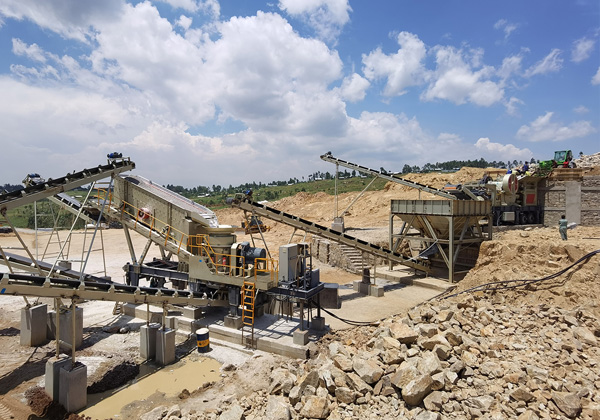
- Install Anchor Bolts: Embed anchor bolts in concrete foundations according to specifications and allow sufficient curing time.
- Place Base Frame: Carefully align and secure the crusher’s base frame or chassis onto the foundation using precision leveling instruments.
4. Assembly of Major Components
Key steps include:
- Install Primary Crusher: Position the primary crusher (jaw, gyratory, or impact crusher) and secure it to the base. Connect hydraulic and electrical systems as needed.
- Mount Secondary/Tertiary Crushers: Assemble cone crushers or additional impactors according to manufacturer guidelines.
- Set Up Screening Units: Install vibrating screens with proper slope adjustments for optimal material separation.
- Conveyor Integration: Connect feed and discharge conveyors, ensuring proper alignment and tension to prevent spillage or belt misalignment.
5. Electrical & Control System Installation
Automation and electrical safety are critical:
- Wiring & Motor Connections: Securely connect crusher motors, screen drives, and conveyor motors following electrical schematics.
- Control Panel Setup: Install PLC-based control systems for automated operations, ensuring proper grounding and circuit protection.
6. Testing & Commissioning
Before full-scale operation:
- Dry Run Testing: Operate machinery without material to check for unusual vibrations, noise, or misalignments.
- Load Testing: Gradually introduce material to verify crushing efficiency, screen performance, and conveyor flow.
- Adjustments: Fine-tune crusher settings (CSS, RPM) and screen angles for desired output size and capacity.
7. Safety & Maintenance Readiness
Final steps ensure compliance and longevity:
- Safety Guards: Install protective barriers around moving parts (belts, crusher chambers).
- Dust Suppression Systems: Activate water spray or baghouse filters to mitigate airborne particles.
- Lubrication Checks: Confirm proper lubrication of bearings, gears, and hydraulic systems before prolonged use.
Proper installation of an aggregate crushing plant maximizes productivity while ensuring safety and durability. Following manufacturer guidelines, conducting rigorous testing, and prioritizing maintenance readiness helps minimize downtime and operational risks.
Would you like help selecting equipment or optimizing plant layout? Let us know your project specifics!