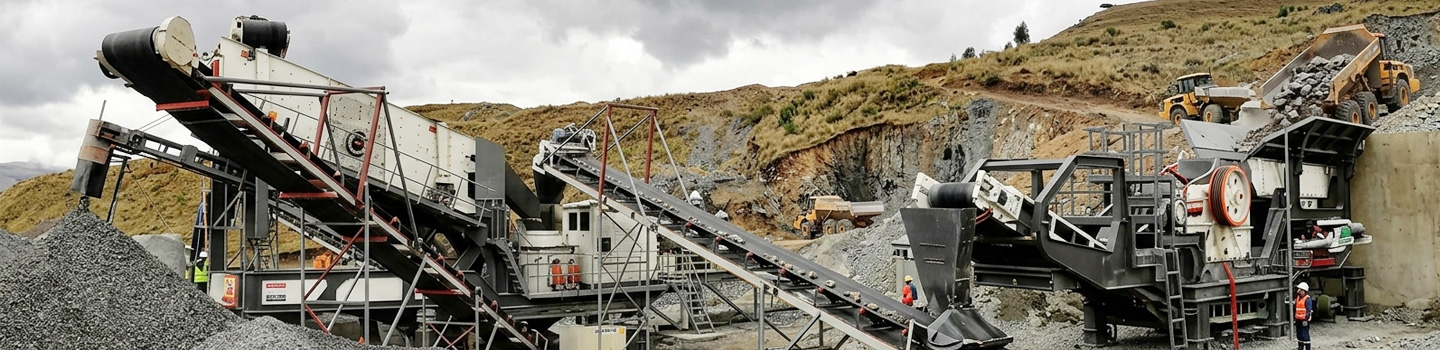
Vibrating screens are essential equipment in mining, construction, and aggregate industries for separating and classifying materials by size. There are several types of vibrating screens available, each designed for specific applications. This article explores some simple vibrating screen types and models, highlighting their key features and uses.
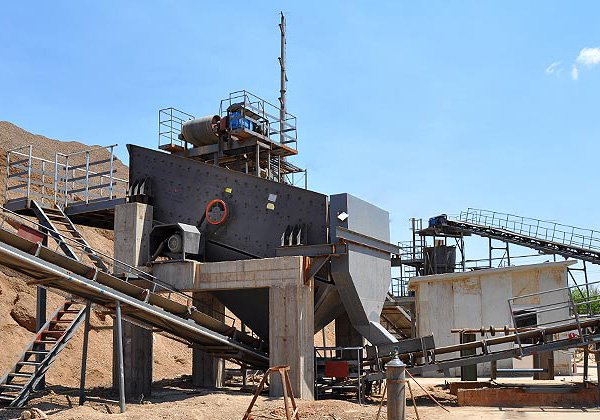
Common Types of Vibrating Screens
1. Circular Vibrating Screen (S5X Series)
- Working Principle: Uses a circular motion to separate materials into different sizes.
- Applications: Suitable for medium and fine screening of aggregates, coal, and minerals.
- Features:
- Stable operation with adjustable amplitude
- Rubber spring support reduces noise and impact
2. Linear Vibrating Screen (ZSW Series)
- Working Principle: Moves materials in a straight line for efficient screening.
- Applications: Ideal for quarrying, sand production, and industrial sieving.
- Features:
- High screening accuracy
- Durable structure with low maintenance
3. Heavy-Duty Vibrating Screen (SF Series)
- Working Principle: Uses powerful vibrations for large-scale material separation.
- Applications: Mining and aggregate industries where high throughput is needed.
- Features:
- Robust construction for harsh conditions
- Long service life with reinforced screening decks
Popular Models
Some well-known vibrating screen models include:
- S5X Vibrating Screen: Offers enhanced performance with adjustable amplitude.
- ZSW Vibrating Feeder with Screen: Combines feeding and screening functions.
- YKN Vibrating Screen: Designed for high-capacity applications with durable rubber springs.
How to Choose a Suitable Vibrating Screen
When selecting a vibrating screen, consider:
- Material Type: Particle size, moisture content, and abrasiveness.
- Capacity Requirements: Throughput needed per hour.
- Operating Conditions: Harsh environments may require heavy-duty screens.
- Maintenance Needs: Easy-to-maintain models reduce downtime.
Vibrating screens play a crucial role in industries requiring material separation. By understanding different types and models—such as circular, linear, and high-frequency screens—you can select the best machine for your application. Factors like material properties, capacity, and operating conditions should guide your choice to ensure optimal performance and longevity.
Would you like specific recommendations based on your industry or material type?