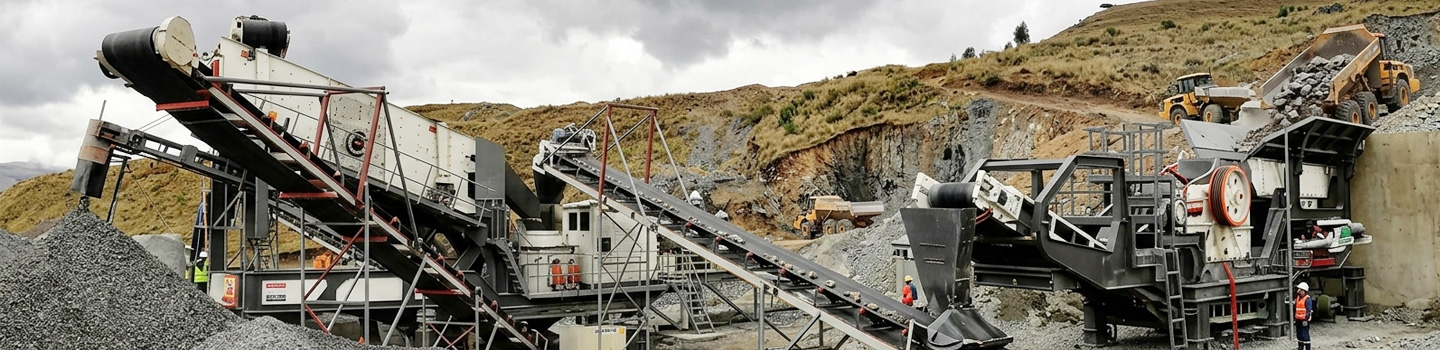
A stone crusher company operates across multiple functional areas to ensure efficient production, quality control, compliance with regulations, and smooth business operations. These functional areas work cohesively to maintain productivity, safety, and profitability. Here are the key functional areas in a stone crusher company:
1. Production and Operations
The core function of a stone crusher company is the production of crushed stone, sand, and aggregates used in construction, mining, and infrastructure projects. This includes:
- Quarrying & Mining – Extraction of raw materials from mines or quarries.
- Crushing & Screening – Processing raw stones into different sizes using crushers, screens, and conveyors.
- Material Handling – Managing the transportation and storage of materials.
- Quality Control – Ensuring product consistency and compliance with industry standards.
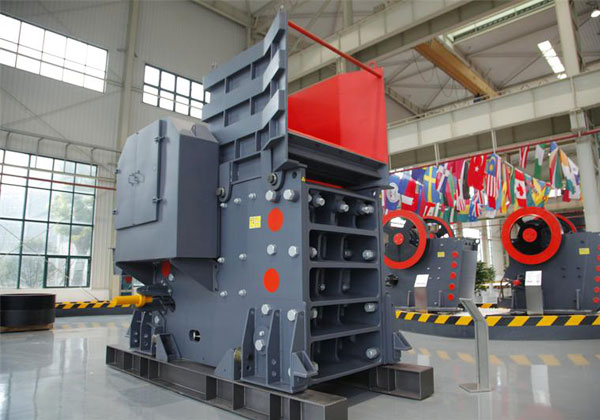
2. Maintenance and Engineering
Machinery breakdowns can halt production, making maintenance crucial. This department focuses on:
- Preventive & Predictive Maintenance – Regular servicing of crushers, conveyor belts, and auxiliary equipment.
- Breakdown Repairs – Quick response to machinery failures.
- Upgrades & Modernization – Implementing automation and new technologies for efficiency.
3. Environmental and Safety Compliance
To follow legal requirements and sustainable practices:
- Pollution Control – Dust suppression systems, noise reduction, and wastewater treatment.
- Safety Regulations – Implementing occupational safety measures (e.g., protective gear, emergency protocols).
- Rehabilitation & Restoration – Ensuring mined sites are reclaimed post-extraction.
4. Supply Chain and Logistics
Efficient logistics minimizes delays and cost overruns:
- Procurement – Sourcing spare parts, lubricants, and machinery.
- Transportation – Managing trucking, rail, or conveyor movements for raw and finished materials.
- Inventory Management – Stock control for raw materials and finished products.
5. Sales & Marketing
Generating revenue through strategic sales efforts:
- Customer Acquisition – Identifying construction firms, contractors, and government projects.
- Pricing Strategy – Competitive pricing based on market demand.
- Market Expansion – Exploring new geographic markets or industries needing aggregates.
6. Research & Development (R&D)
Innovation leads to efficiency and sustainability:
- New Product Development – Engineered aggregates for specific construction needs.
- Process Optimization – Reducing energy consumption and waste.
- Automation & AI – Implementing smart crushing solutions.
7. Human Resources (HR) & Administration
Managing workforce and administrative tasks:
- Recruitment & Training – Hiring skilled operators, engineers, and safety personnel.
- Compliance & Legal – Keeping up with labor laws and operational permits.
- Employee Well-being – Ensuring safe working conditions and skill development.
8. Finance & Accounting
Financial stability ensures sustainable operations:
- Budgeting & Cost Control – Overseeing operational expenses.
- Financial Reporting – Handling taxes, audits, and profitability analysis.
- Investment Planning – Assessing machinery upgrades or expansion needs.
A stone crusher company thrives when all functional areas integrate smoothly—ensuring production efficiency, regulatory compliance, market competitiveness, and financial stability. By optimizing each department, companies can enhance productivity while maintaining sustainability and profitability in the construction materials industry.