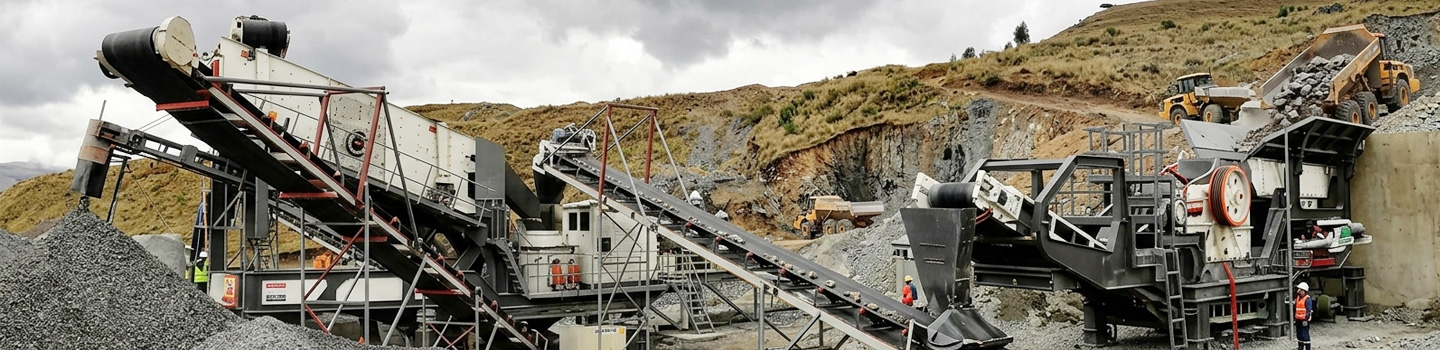
Building a stone crushing plant, even a simple one, requires careful planning, proper equipment selection, and adherence to safety standards. Stone crushing plants are essential in mining, construction, and aggregate production, providing crushed stone for roads, buildings, and other infrastructure projects. Below is a step-by-step guide on how to set up a simple stone crushing plant.
1. Conduct a Feasibility Study
Before starting, conduct a feasibility study to determine:
-
Availability of raw materials: Identify a suitable stone quarry or source of rocks.
-
Production capacity: Decide how much crushed stone you want to produce per hour or per day.
-
Market demand: Ensure there is demand for crushed stone in your target area.
-
Costs: Estimate the total cost, including equipment, labor, electricity, and maintenance.
2. Choose the Right Location
The location of your crushing plant is critical. Consider the following:
-
Close proximity to raw material sources to reduce transportation costs.
-
Easy access to roads for transporting the final product.
-
Adequate space for equipment, storage, and future expansion.
-
Compliance with environmental regulations to minimize dust and noise impact.
3. Select Crushing Equipment
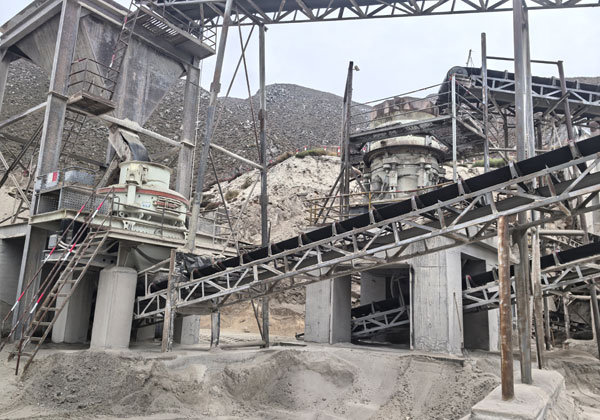
For a simple stone crushing plant, the main equipment usually includes:
-
Jaw Crusher: For primary crushing of large rocks into smaller sizes.
-
Impact Crusher or Cone Crusher: For secondary crushing to achieve finer aggregates.
-
Vibrating Feeder: To feed raw stones into the crusher evenly.
-
Vibrating Screen: To separate crushed stones into different sizes.
-
Conveyor Belts: To transport materials between different equipment.
Optional equipment may include a dust suppression system or a washing system for producing clean sand and gravel.
4. Design the Layout
An efficient layout ensures smooth operation and reduces material handling costs. Typical steps:
-
Raw material storage: Place a stockpile near the feeder.
-
Primary crushing section: Position the jaw crusher to reduce large stones.
-
Secondary crushing section: Install the cone or impact crusher for finer crushing.
-
Screening section: Use vibrating screens to classify crushed stones by size.
-
Conveyors and storage: Convey crushed materials to storage piles or trucks.
5. Install and Commission the Plant
-
Foundation: Ensure equipment is placed on a stable and level foundation.
-
Assembly: Connect crushers, conveyors, screens, and feeders according to the layout.
-
Electrical connections: Safely connect motors and control panels.
-
Testing: Run the plant with a small load to check for smooth operation, correct alignment, and vibrations.
6. Safety Measures
Operating a stone crushing plant can be dangerous. Always:
-
Provide training to operators.
-
Use personal protective equipment (PPE) like helmets, gloves, and dust masks.
-
Keep emergency stop systems functional.
-
Implement dust and noise control measures.
7. Maintenance
Regular maintenance ensures long-term efficiency:
-
Lubricate moving parts regularly.
-
Check wear parts (jaw plates, hammers, liners) and replace when necessary.
-
Inspect conveyor belts for alignment and tension.
-
Clean the plant to prevent clogging and dust accumulation.
8. Tips for Improving Efficiency
-
Use a combination of crushers to maximize output and reduce energy consumption.
-
Adjust the feed size and crushing ratio according to material hardness.
-
Optimize the screening process to minimize fines and achieve uniform aggregate sizes.
-
Consider mobile crushing units if the raw material source changes frequently.
Building a simple stone crushing plant is manageable with the right planning, equipment, and operation practices. By following these steps, you can produce high-quality aggregates efficiently while minimizing operational risks and costs.