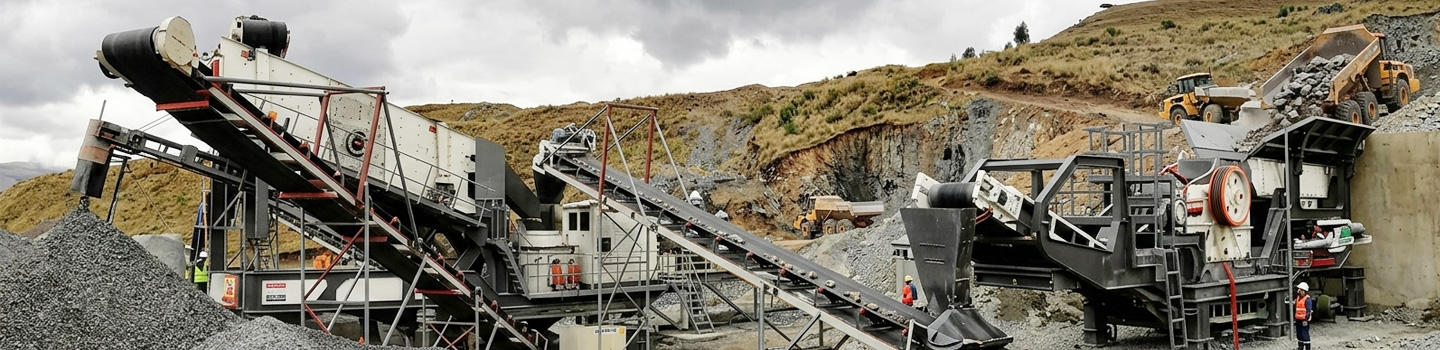
The rapid growth of urban infrastructure and building development has significantly increased the volume of construction and demolition (C&D) waste worldwide. Demolished buildings, concrete structures, roads, and bridges generate enormous quantities of waste that require efficient processing and responsible disposal. At the same time, the growing demand for natural sand is putting increasing pressure on riverbeds and natural resources.
A machine for converting concrete waste into sand offers an effective solution to both challenges. By integrating advanced crushing, magnetic separation, shaping, air classification, and sand washing technologies, specialized concrete recycling machinery transforms demolished concrete into clean, high-quality manufactured sand ranging from 0–5 mm. This process reduces landfill waste, recovers valuable materials, and provides a sustainable alternative to natural sand for construction applications.
1. Advanced Concrete Crushing and Recycling Technology
A complete concrete-to-sand production line uses multiple processing stages to ensure efficient material recovery and consistent product quality.
The process begins with a heavy-duty primary crusher, typically a jaw crusher or impact crusher. These machines reduce large concrete blocks into smaller aggregates suitable for subsequent processing. Jaw crushers are particularly effective for handling reinforced concrete with varying feed sizes, while primary impact crushers provide high reduction ratios and efficient processing of brittle concrete materials.
Following primary crushing, an overband magnetic separator removes reinforcing steel bars (rebar) and other ferrous metals from the crushed material. Effective steel recovery is essential because reinforcing steel can damage downstream equipment, interfere with material handling, and reduce the quality of recycled products.
The separated concrete aggregates are then transferred to a Vertical Shaft Impactor (VSI) sand maker. Using high-speed impact technology, the VSI breaks down remaining concrete particles and optimizes their shape. This stage is particularly important for producing cubical manufactured sand with improved particle geometry.
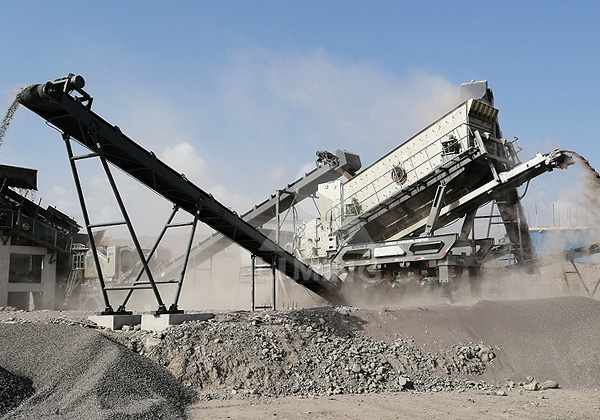
2. Producing Clean and Cubical Manufactured Sand
The quality of recycled sand depends on more than simply crushing concrete into smaller particles. Effective processing must remove impurities, control particle size, and improve particle shape.
VSI sand-making technology plays a critical role in this process. Unlike conventional crushing methods that can produce excessive flaky and elongated particles, properly configured VSI equipment helps generate more rounded, cubical particles with improved gradation.
The resulting manufactured sand, typically sized between 0–5 mm, can be used in suitable concrete mixes, mortar production, precast applications, and other construction materials, subject to applicable quality standards.
A well-designed production line also incorporates air classifiers to separate lightweight contaminants and unwanted fine particles. Wood fragments, plastic pieces, gypsum residues, and old mortar dust can negatively affect recycled sand quality. Air classification uses controlled airflow to remove lightweight materials and improve the cleanliness of the final product.
3. Complete Rebar Recovery and Contaminant Removal
One of the most important requirements in C&D waste recycling is the complete liberation and extraction of reinforcing steel.
Demolished concrete frequently contains embedded steel bars, wires, and metal fragments. Effective liberation begins during crushing, where mechanical impact and compression break the concrete matrix and expose the reinforcement.
Magnetic separation equipment should be strategically positioned after primary crushing and, where necessary, at additional processing points. This multi-stage approach improves ferrous metal recovery and reduces the risk of metal contamination in finished aggregates and sand.
Lightweight contaminants require equally careful attention. Wood, plastics, gypsum, and old mortar dust must be controlled through appropriate combinations of screening, air classification, washing, and fine-material separation.
Removing these impurities improves the consistency of recycled sand and helps prevent undesirable effects on concrete performance, including variations in setting behavior, strength development, and durability.
4. Fine Sand Washing and Dewatering Systems
After crushing, shaping, and air classification, the material enters the fine sand washing stage.
Specialized sand washing equipment removes residual dust, clay-like particles, and soluble or suspended contaminants. Depending on feed characteristics and required product specifications, the system may include spiral sand washers, wheel sand washers, hydrocyclones, and integrated washing units.
Fine sand recovery equipment is particularly valuable because conventional washing processes can lose a considerable quantity of usable fine particles.
Following washing, dewatering screens reduce moisture content and produce a more manageable finished material. Water recycling and sedimentation systems can also be incorporated to recover process water, reduce freshwater consumption, and minimize wastewater discharge.
The result is cleaner manufactured sand with controlled moisture content and improved consistency.
5. Precise Fineness Modulus and Particle Shape Control
For concrete applications, maintaining consistent sand gradation is essential. Two particularly important quality parameters are particle shape and fineness modulus (FM).
Fineness modulus indicates the relative coarseness or fineness of sand based on cumulative sieve analysis. By adjusting screening apertures, crusher settings, VSI operating parameters, and classification efficiency, operators can control the particle-size distribution and achieve the required fineness modulus.
Particle shape is equally important. Excessively angular, flaky, or elongated particles can increase the water demand of concrete mixes and negatively influence workability. VSI technology helps improve particle geometry, potentially reducing water demand and supporting more efficient concrete mix designs.
Regular laboratory testing, including sieve analysis, particle shape assessment, fines content evaluation, and impurity checks, is essential for maintaining consistent production quality.
6. Environmental and Economic Benefits
Investing in specialized concrete-to-sand recycling machinery provides several advantages:
- Resource conservation: Reduces dependence on natural river sand and virgin aggregates.
- Waste reduction: Converts demolition debris into commercially useful construction materials.
- Metal recovery: Extracts reinforcing steel for recycling and additional revenue.
- Lower disposal costs: Reduces the volume of concrete waste sent to landfills.
- Water efficiency: Integrated water recovery systems help minimize freshwater consumption.
- Product versatility: Produces recycled manufactured sand for suitable concrete, mortar, and construction applications.
Conclusion
A modern machine for converting concrete waste into sand represents an important advancement in sustainable construction and C&D waste management. By combining heavy-duty primary crushers, overband magnetic separators, VSI sand makers, air classifiers, and fine sand washing and dewatering systems, recycling operators can transform demolished concrete into clean, cubical 0–5 mm manufactured sand.
Most importantly, successful recycling depends on achieving complete rebar recovery, removing lightweight contaminants and old mortar dust, optimizing particle shape, and maintaining precise fineness modulus control. With the right equipment configuration and quality-control procedures, concrete waste can become a valuable secondary resource, supporting more economical, efficient, and environmentally responsible construction.