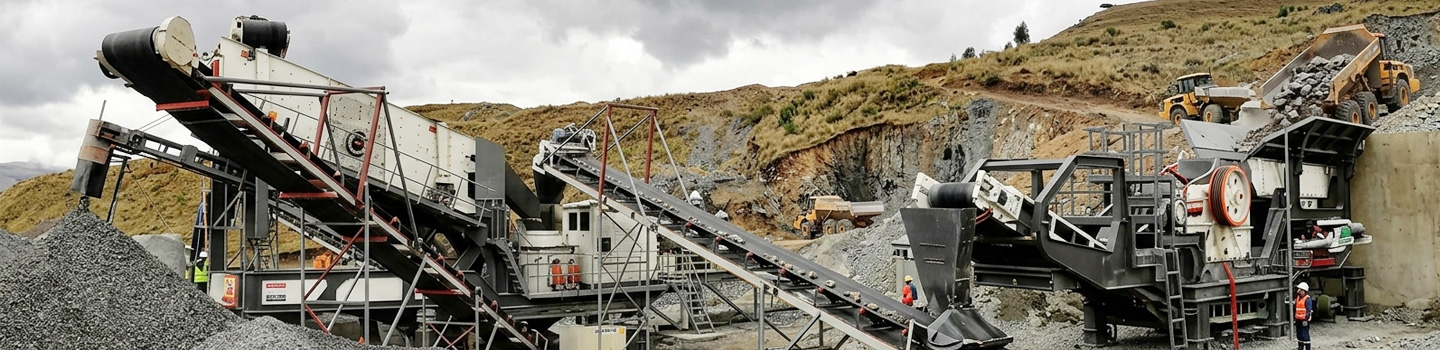
The mining and construction industries have seen significant advancements in crushing technology, with mobile crushing stations emerging as a highly efficient solution for processing materials. Unlike stationary plants, mobile crushing stations are designed for flexibility, rapid deployment, and adaptability to varying site conditions. A key feature that enables this versatility is their modular design. By integrating modular components, mobile crushing stations achieve higher operational efficiency, easier maintenance, and scalability.
1. Chassis and Mobility Module
The foundation of any mobile crushing station is its chassis and mobility module. This module includes the frame, wheels or tracks, and suspension system that allow the entire station to be transported easily between sites. A robust chassis ensures stability during operation, while track-mounted versions provide superior mobility in rough terrains, reducing the need for additional transport equipment.
2. Feeding Module
The feeding module is responsible for the controlled input of raw materials into the crushing system. It typically consists of:
-
Hoppers: Large storage bins that regulate material flow.
-
Vibrating feeders: Devices that evenly distribute material to the crushers, preventing blockages and optimizing crusher performance.
Modular feeders can be replaced or upgraded according to material size, density, or processing requirements, improving operational flexibility.
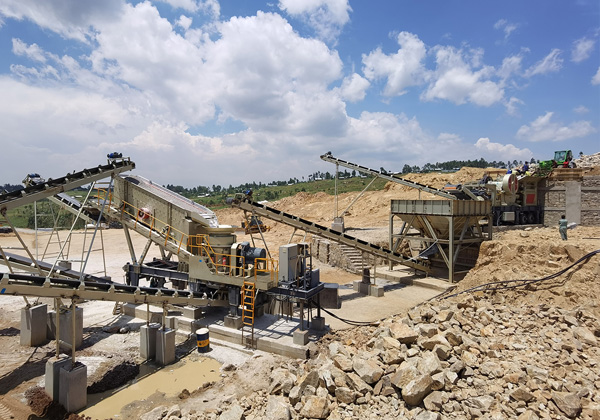
3. Crushing Module
The crushing module is the core of the station, and its modular nature allows operators to customize crushing capabilities. Key components include:
-
Jaw crushers for primary crushing of hard rocks.
-
Impact crushers for softer stones or materials requiring fine shaping.
-
Cone crushers for secondary or tertiary crushing.
Each crusher module can be installed or removed depending on the production requirement, making it easy to switch between crushing stages or upgrade to more advanced equipment.
4. Screening Module
Post-crushing, the material must be sorted by size, which is handled by the screening module. This module usually includes:
-
Vibrating screens with multiple decks for different size fractions.
-
Adjustable screen angles to optimize efficiency.
Modular screens allow operators to add or remove decks or change screen sizes to adapt to changing product specifications.
5. Conveying Module
Material transport within the station is handled by conveying modules, which typically include belt conveyors and transfer systems. These modules are designed for:
-
Efficient movement of crushed material between modules.
-
Minimization of spillage and dust generation.
-
Quick assembly and disassembly for transport.
Modular conveyors can be extended, shortened, or rerouted based on the operational layout, providing exceptional adaptability.
6. Control and Automation Module
Modern mobile crushing stations feature advanced control systems for monitoring and automation. Modular control units allow operators to:
-
Centralize operational control and monitoring.
-
Adjust crusher settings remotely.
-
Integrate sensors for safety and performance optimization.
This modularity also allows upgrades to new software or hardware without extensive downtime.
7. Dust Suppression and Safety Module
Dust management and safety are critical in crushing operations. Modular dust suppression systems may include:
-
Sprayers and misting systems.
-
Dust collectors or filters at critical points.
Safety modules, such as emergency stop systems and protective guards, can be integrated or replaced as needed, ensuring compliance with industry standards.
Advantages of Modular Design in Mobile Crushing Stations
-
Flexibility: Modules can be configured for different material types and project scales.
-
Ease of Maintenance: Faulty modules can be swapped quickly without halting the entire operation.
-
Scalability: Operators can expand capacity by adding additional modules.
-
Transport Efficiency: Modular components can be disassembled for easier transport to remote sites.
-
Cost-Effectiveness: Reduces downtime and allows incremental upgrades instead of replacing the entire plant.
The modular components of mobile crushing stations redefine operational efficiency in mining and aggregate production. By separating functions into specialized, replaceable modules—from the chassis and feeders to crushers, screens, conveyors, and control systems—operators gain unparalleled flexibility, efficiency, and scalability. As mining projects demand faster deployment, diverse processing capabilities, and reduced operational costs, modular mobile crushing stations are becoming the industry standard for modern crushing solutions.